Solana’s Recent Network Outage and the Future of Blockchain Reliability
1 April 2026
The Anatomy of the June 15th Shutdown
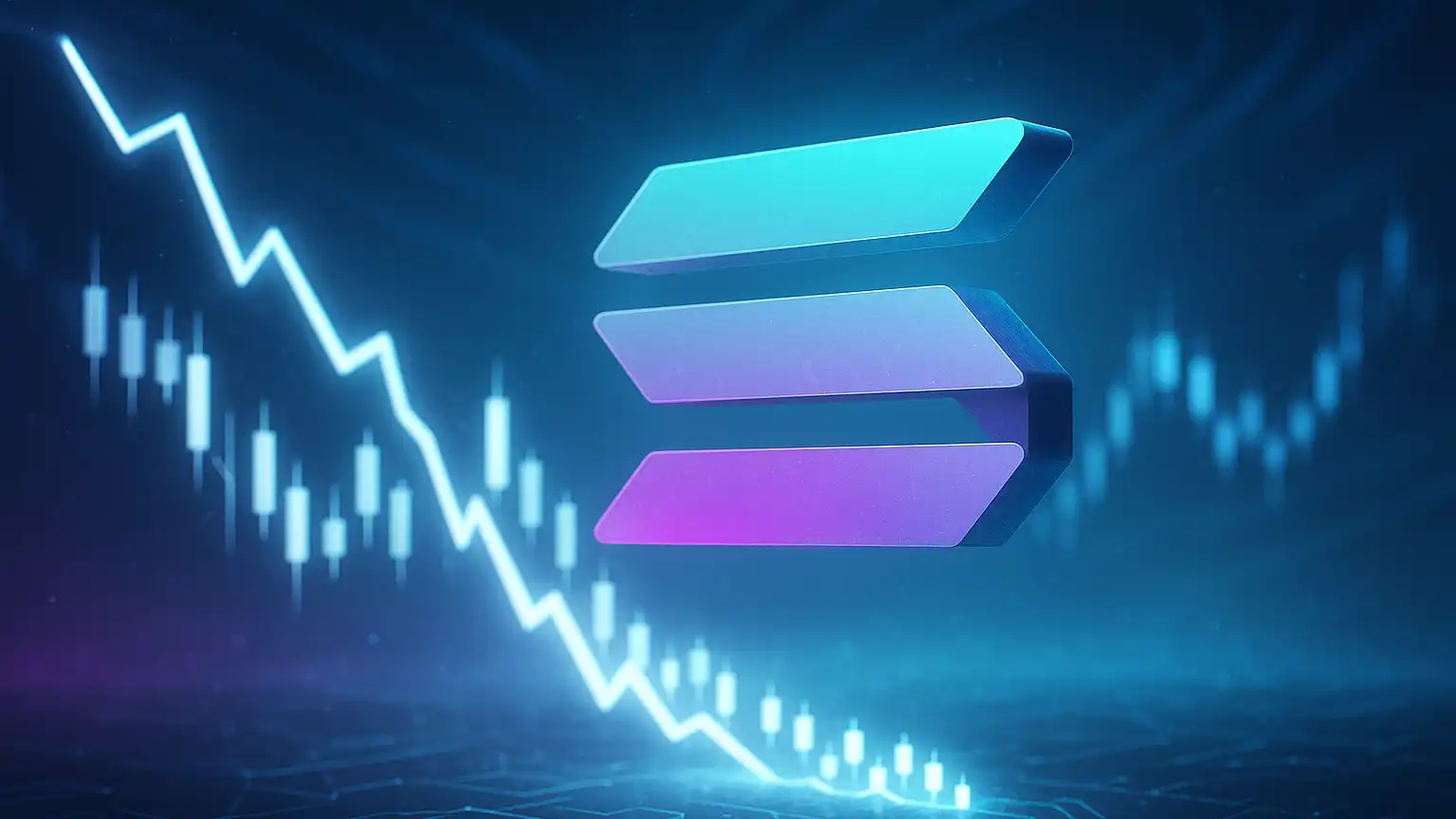
On June 15th, the Solana blockchain experienced a sudden halt that lasted over four hours, interrupting transactions, smart contracts, and DeFi protocols built on its network. According to node logs and on-chain data, the outage was triggered by a rapid surge in transaction volume well beyond the network’s capacity thresholds. This caused the block production process to stall as validators struggled to reach consensus on the growing backlog of unprocessed messages. In practical terms, confirmation times spiked from sub-second intervals to several minutes, and eventually consensus collapsed altogether when quorum requirements went unmet.
While network halts are not unheard of in proof-of-stake blockchains facing unexpected demand, Solana’s outage underscored a critical tension between raw throughput and fault tolerance. The ledger’s design prioritizes high-speed processing by batching and timestamping transactions in memory frequently, but when memory resources are overwhelmed, the fallback mechanisms were insufficient to maintain continuity. As a result, validators embarked on a manual roll-back procedure to restore network state, pushing the ledger back to its last stable checkpoint.
Balancing Decentralization and Performance
Solana’s architecture delegates substantial authority to a subset of high-performance validators to achieve its industry-leading transaction speed. Yet with just over 1,800 active validators—many of which operate in a handful of data centers—the network is more centralized than protocols with thousands of widely dispersed nodes. This centralization can streamline communication and coordination under normal loads, but it also creates single points of failure when traffic spikes or a handful of nodes are overloaded.
Geographic Clustering and Consensus Risks
Most of Solana’s top-tier validators are hosted in North American and European data centers, with limited representation in Asia, Africa, and South America. This concentration amplifies the risk that regional outages—whether due to network partitions, power failures, or DDoS attacks—could cascade throughout the entire cluster. When these critical nodes experience delays or drop off the network, the majority of consensus weight is lost, triggering the type of global pause witnessed on June 15th.
Community-Driven Recovery and Hardening Efforts
In the immediate aftermath, Solana Labs and leading validator operators collaborated on a coordinated restart. They published an emergency patch to optimize memory usage during peak loads and adjusted the threshold for validator penalties to prevent premature ejection of lagging nodes. Additionally, community-run monitoring tools were updated to provide real-time alerts on transaction backlog and block production latency, enabling validators to proactively adjust resource allocation.
Beyond technical measures, the governance community initiated proposals to incentivize further geographic diversification and stake distribution among smaller operators. By allocating rewards toward underrepresented regions, the network aims to dilute concentration risks and foster a more resilient validator set. Such on-chain proposals will be voted on over the next several weeks, marking one of the most significant stakeholder-driven interventions in Solana’s short history.
Implications for Broader Layer-1 Resilience
Solana’s outage is a cautionary tale for any blockchain that prioritizes throughput over decentralization. As Layer-1 networks compete on speed and scalability, they must also grapple with the fundamental limits of distributed consensus. Whether through sharding, novel consensus mechanisms, or dynamic fee markets, the balance between performance and reliability will define the next wave of blockchain innovation.
For investors, developers, and end users, the incident highlights the importance of assessing not just transaction costs and finality times, but also network robustness under stress. Protocols that can gracefully handle sudden spikes—whether from decentralized applications, token airdrops, or coordinated bot attacks—will command greater trust and adoption in a maturing market.
Looking Forward: Strengthening Blockchain Continuity
Solana’s experience serves as both a wake-up call and a proof of concept for rapid community response. The dual focus on technical patching and governance-led decentralization initiatives provides a roadmap for other ecosystems facing similar challenges. As the network implements these hardening measures, stakeholders will watch closely to see whether throughput gains can coexist with fault tolerance. Ultimately, the projects that master this equilibrium will shape the next chapter of decentralized finance and the broader Web3 landscape.