
SEC Targets Leading DEX in Landmark Legal Action
3 January 2026
Regulatory Context and Legal Arguments
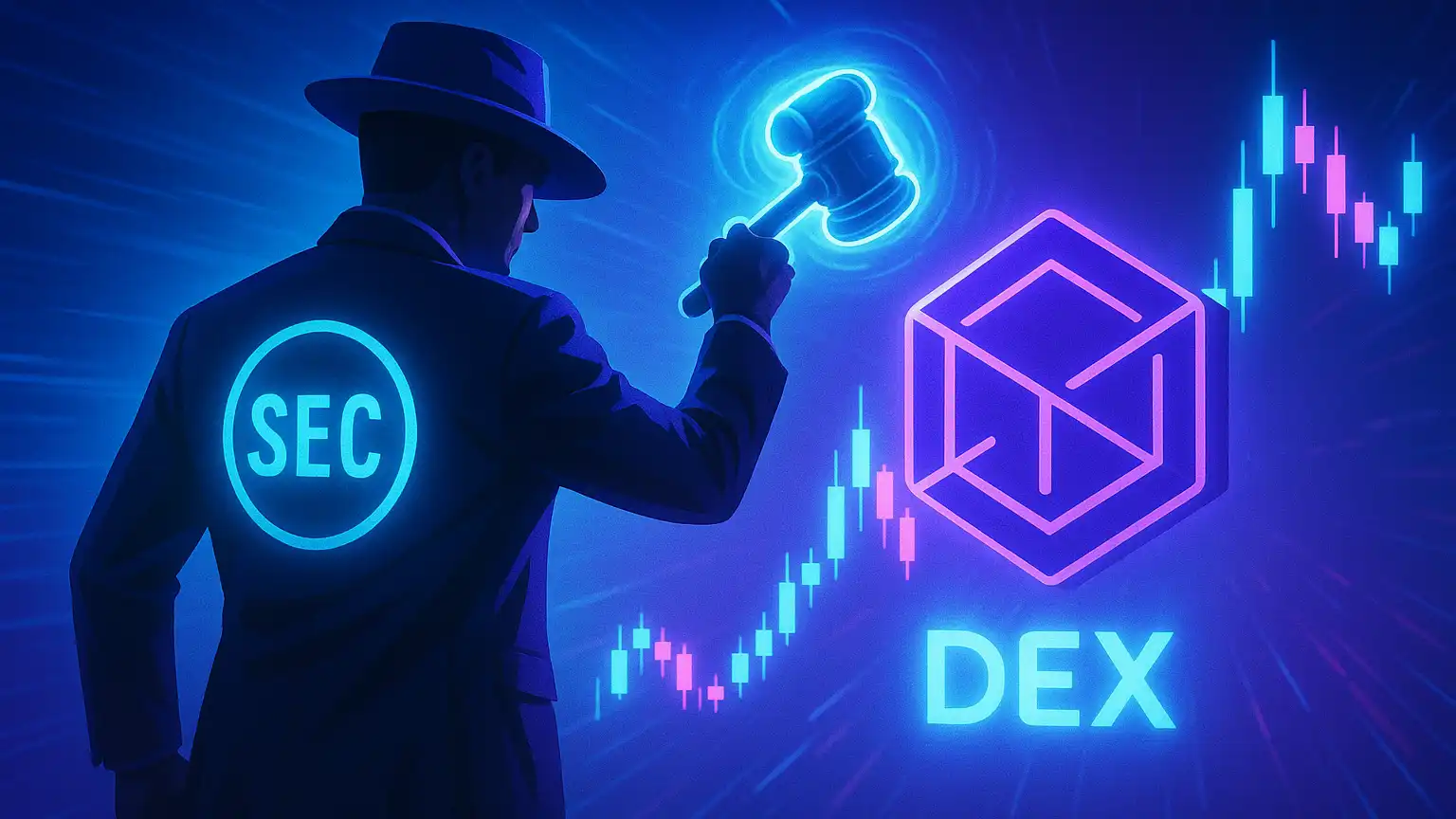
In a move that could redefine the contours of decentralized finance (DeFi), the U.S. Securities and Exchange Commission (SEC) has filed a lawsuit against a major decentralized exchange (DEX), alleging that its native governance token and trading activities constitute unregistered securities offerings. The Commission’s complaint hinges on the argument that token holders participate in profit-sharing mechanisms and governance decisions akin to shareholders in a traditional corporation. By characterizing liquidity pools and yield farming incentives as financial instruments subject to securities laws, the SEC is asserting jurisdiction over what proponents have long touted as trustless, self-regulating smart contracts.
From a legal perspective, the SEC’s case leans on the “Howey Test,” which evaluates investment contracts based on expectation of profit, a common enterprise, and efforts of a third party. The agency argues that the platform’s marketing materials and developer-led roadmaps effectively persuaded users to purchase tokens under the expectation of future gains driven by the team’s ongoing upgrades. This interpretation elevates decentralization rhetoric above actual governance control, suggesting that any project with ongoing development—or even a foundation that holds reserve tokens—could fall under the SEC’s prosecutorial scope.
Implications for the Decentralized Finance Ecosystem
Should the SEC prevail, the fallout could extend well beyond the defendant exchange. Hundreds of DeFi projects rely on similar token models, offering staking rewards, governance rights, and developer grants funded by token sales. A ruling in favor of the SEC would likely force platforms to pursue costly registration processes or restructure their tokenomics to eliminate any semblance of centralized control or profit-sharing. This scenario risks chilling innovation, as teams scramble to adapt or migrate to friendlier jurisdictions.
Smaller protocols could face existential threats: legal fees, the complexity of complying with securities regulations, and potential trading halts might erode user confidence overnight. In response, some developers may pursue a shift toward non-fungible governance frameworks or peer-to-peer swap models that eschew tokens altogether. However, these workarounds often sacrifice interoperability and liquidity—two pillars of the current DeFi ecosystem—illustrating the delicate balance between regulatory compliance and the open-access ethos that birthed this technology.
Market Reactions and Future Outlook
The lawsuit announcement sent ripples through cryptocurrency markets, triggering a temporary downturn in major DeFi token valuations. Traders reacted to heightened legal uncertainty by reducing exposure to native DEX tokens, while volatility spiked across related governance markets. Yet amid the sell-off, some investors perceived buying opportunities, anticipating that a decisive legal ruling could clear the regulatory haze and pave the way for compliant DeFi infrastructure.
Onchain activity reveals a bifurcated sentiment: long-term holders continue to stake tokens, signaling confidence in the underlying technology, whereas short-term speculators withdraw liquidity to mitigate risk. Concurrently, venture-backed projects are accelerating dialogues with compliance advisors, exploring new models such as regulatory sandbox collaborations and limited-purpose financial institutions (LPFIs) to bridge on-chain innovation with off-chain legal frameworks. Should these hybrid structures gain traction, they could usher in a new generation of “regulated DeFi” platforms, albeit at the cost of increased centralization.
Navigating the Regulatory Maze Ahead
The SEC’s lawsuit marks a watershed moment in the evolution of decentralized finance. While the outcome remains uncertain, it underscores the imperative for DeFi innovators to engage proactively with regulators, legal experts, and industry consortia. Those who lean into transparency—by refining token governance, articulating clear value accrual models, and offering robust disclosures—may not only withstand regulatory scrutiny but also foster broader institutional participation.
Ultimately, the balance between decentralization ideals and regulatory compliance will shape the next era of digital asset markets. Projects that strike a sustainable alignment between user sovereignty and legal clarity are poised to lead, even if the path forward demands compromise and evolution. As this high-stakes legal battle unfolds, market participants should prepare for a paradigm shift: the future of DeFi depends as much on courtroom debates as it does on code audits.